October is obviously the month for horror. But rather than another list of things that go bump in the night, I’d like to propose something slightly more glamorous: ‘femme fatale’ Halloween. If there’s one thing horror has always understood better than almost any other genre, it’s women. Long before anyone was talking about the female gaze, horror was giving women some of cinema’s most interesting jobs. They could be virgins, witches, killers, victims, monsters, mothers, sluts, psychopaths, lesbians, vampires or simply deeply unpleasant people. They could be beautiful and disgusting, sympathetic and fucking terrifying – often within the same five minutes. Where respectable cinema has frequently demanded that its women be understood, horror has been perfectly happy to let them remain mysterious.
Think of Catherine Deneuve in Repulsion and The Hunger, Mia Farrow in Rosemary’s Baby, Sissy Spacek in Carrie, Barbara Steele haunting practically every Italian gothic she wandered into or Joan Crawford in What Ever Happened to Baby Jane? These women weren’t playing femme fatales in the classical sense. They were doing something far more interesting: occupying the screen without apologising for being excessive.
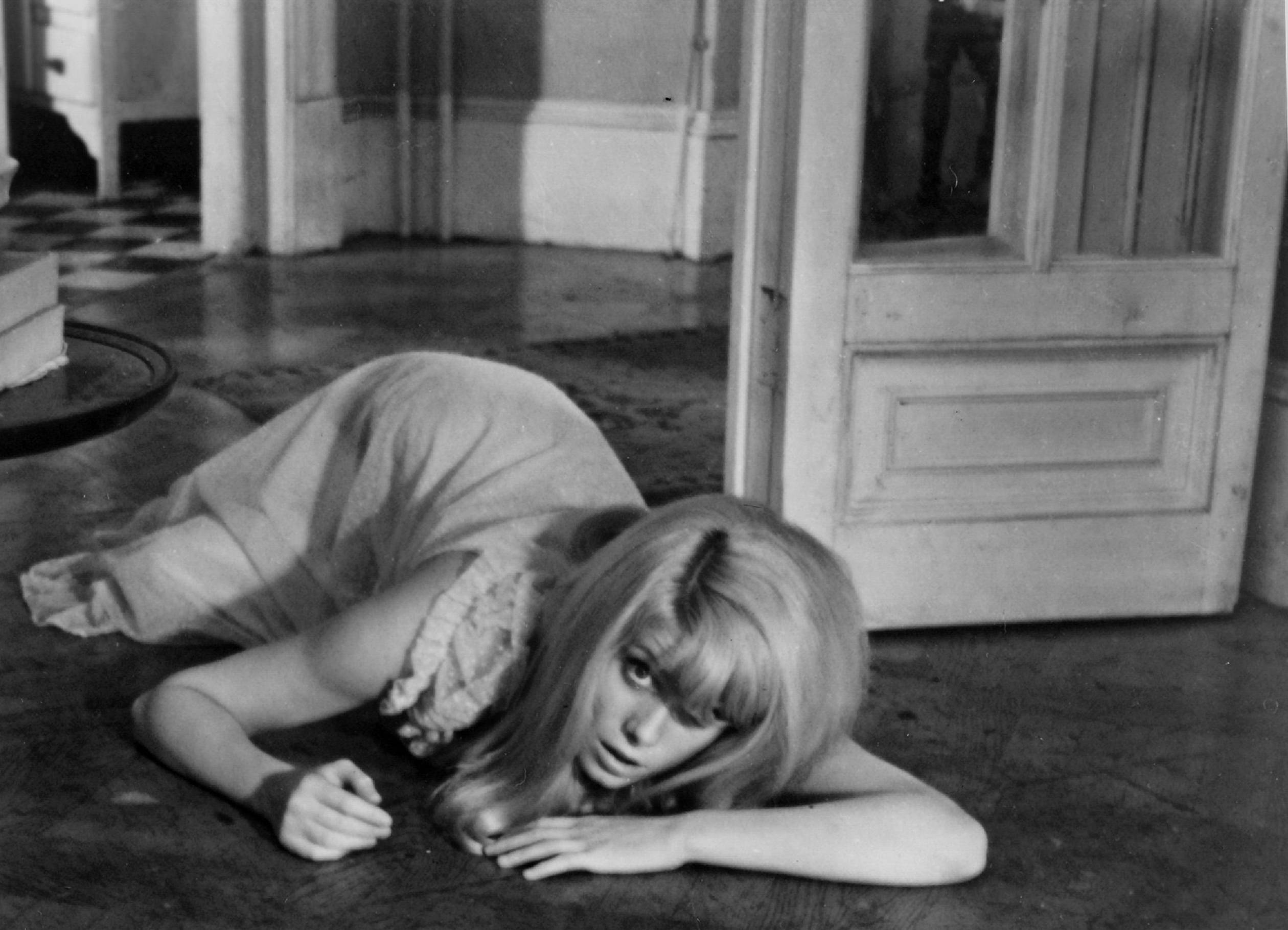
The 1970s took this even further. In the era of The Stepford Wives, The Brood, I Spit on Your Grave, Suspiria, The Sentinel, The Wicker Man and Possession, horror became a playground for anxieties about sex, marriage, motherhood, female sexuality and the body itself. Sometimes the films were misogynistic. Sometimes they were radically feminist. Occasionally, they were both at once. That’s part of what makes them so fascinating. Horror doesn’t have to resolve its contradictions. And now we’re getting another extraordinary crop of women using the genre to do whatever they want.
They could be beautiful and disgusting, sympathetic and fucking terrifying – often within the same five minutes.
Demi Moore in The Substance turns aging, vanity and Hollywood’s obsession with female beauty into spectacular body horror. Mia Goth has made herself one of contemporary horror’s most fascinating faces, capable of going from baby-faced innocence to absolute psychosis in the space of a close-up. Margaret Qualley, Léa Seydoux and others are similarly gravitating towards films that allow their performances to become stranger, more physical and less easily categorised.
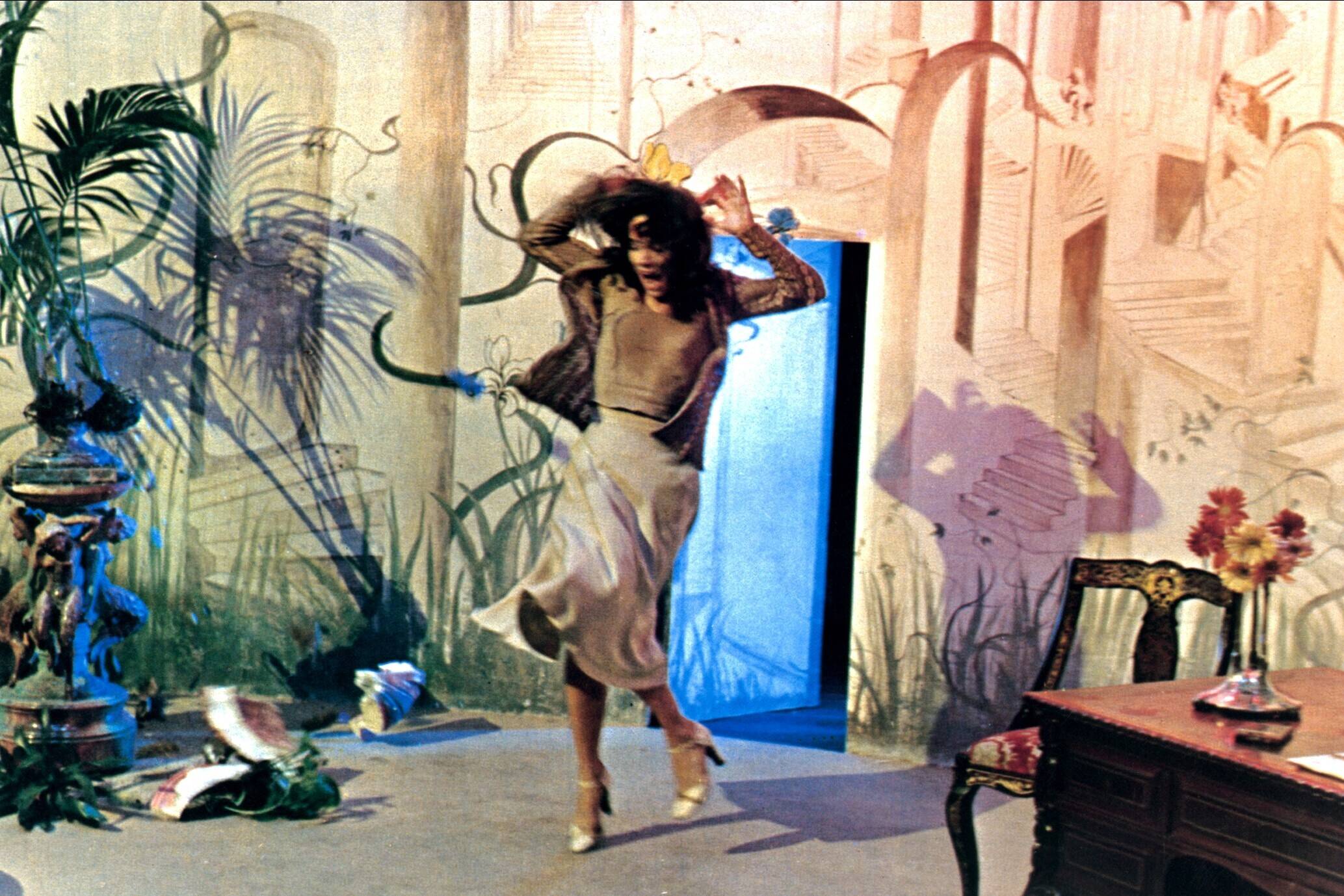
Then there’s Isabelle Huppert, who has spent decades refusing the idea that a female protagonist needs to be particularly likeable. Her great gift is opacity. You can watch Huppert for two hours and still have absolutely no idea what she might do next. So seeing her as Erzsébet Báthory in Ulrike Ottinger’s The Blood Countess feels almost inevitable. Give the woman who played some of European cinema’s most psychologically ungovernable characters a role as a legendary blood-drinking aristocrat and see what happens. That, to me, is the joy of women in horror. They don’t have to be role models. They can be vain, horny, violent, hysterical, maternal, monstrous, pathetic, hilarious or completely evil. They can age. They can want things. They can make terrible decisions. They can look disgusting. They can be sexually threatening. They can survive, die, transform or simply refuse to explain themselves. If Halloween is an excuse to celebrate anything, perhaps it’s that freedom. The history of horror is littered with women who refused to behave properly, from the gothic heroines of the 1960s to today’s body-horror monsters. Long may the tradition continue. We’re in Berlin, and in Berlin of all places, femmes have been doing all manner of femme-fatale-esque things for decades. Happy Halloween.