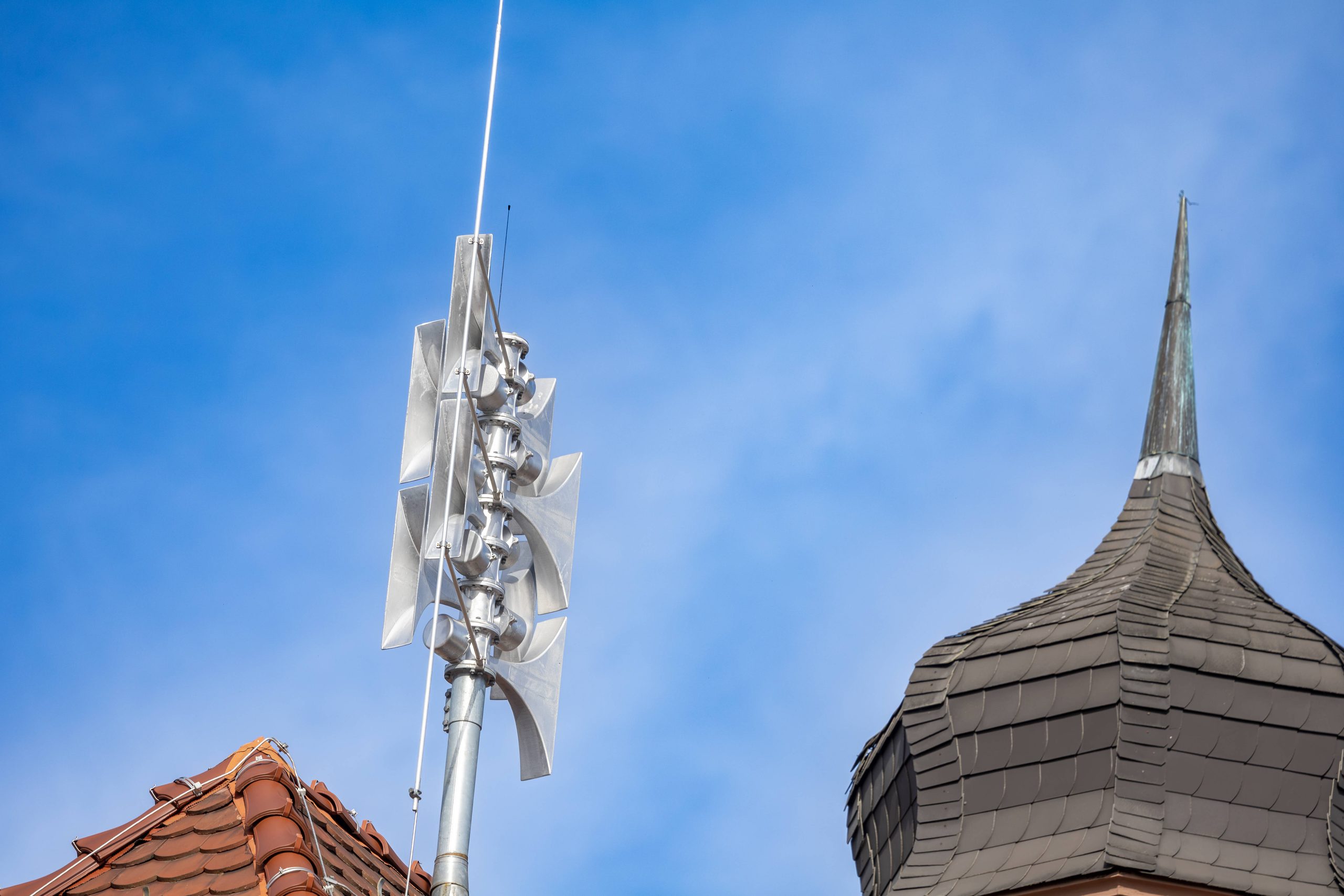
Nationwide, warning sirens sounded at 11 a.m. Warning messages were disseminated via the Nina and Katwarn warning apps, radio, television, social media and other channels, including the Cell Broadcast mobile service, according to the Civil Protection Agency. This is part of the annual bundesweiter Warntag, or Nationwide Warning Day.
363 of the 423 sirens installed in the capital were scheduled to be activated. “The remaining ones already installed will be gradually integrated into the siren network,” Heiner Spannuth, deputy press spokesperson for the Senate Department for the Interior.
Through the nationwide test run, the authorities also wanted to uncover possible weaknesses in the processes and infrastructure to rectify them. Grit Tüngler, President of the BKK, explained that they rely on feedback from citizens after the warning day, gathered through an online survey.
Last year, Friederike von Holtum, the responsible official in the Senate administration, said, “The threat situation is now somewhat different.” Cyberattacks have become “our daily bread.” Berlin and Germany need to protect themselves much better, including against potential acts of sabotage against infrastructure.
This could not have been more true, considering the attacks on the power grid in January and, more recently, the cyberattack on the Senate’s internal IT system, which saw 5.6 terabytes of public information released on the dark web. Informing people about the test alarm in advance was an important safeguard for those particularly prone to anxiety, such as the elderly, children, or refugees from war zones.